
Frankfurt Havalimanı'nın Tarihi: Rebstock'tan Küresel Bir Merkeze
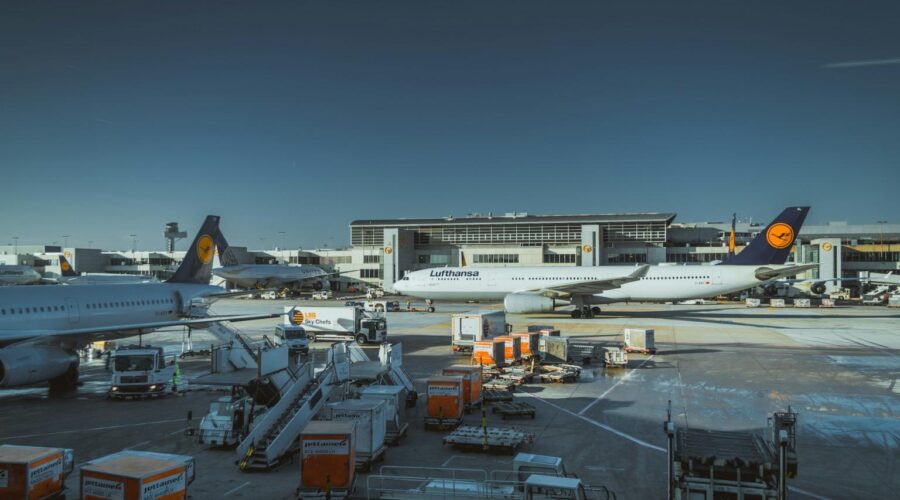
Frankfurt Havalimanı bugün Avrupa'nın en büyük hava ulaşım merkezlerinden biridir. Milyonlarca yolcu, uluslararası uçuş bağlantıları ve son teknoloji altyapı, havalimanının görüntüsünü şekillendirmektedir. Ancak bu büyüklüğün arkasında uzun ve hareketli bir gelişim yatmaktadır: basit bir havaalanından tarihi kriz dönemlerine ve küresel bir ulaşım merkezine kadar.
Frankfurt Havalimanı'nın tarihi sadece havacılığın ilerlemesini değil, aynı zamanda Almanya ve Avrupa'daki siyasi ve ekonomik değişiklikleri de yansıtmaktadır.
Başlangıçlar: Rebstock'taki Havaalanı (1912)
Frankfurt Havalimanı'nın kökenleri 1912 yılına dayanmaktadır. O zamanlar Rebstock bölgesinde, başlangıçta ağırlıklı olarak askeri amaçlarla kullanılan ilk havaalanı kuruldu. Ancak havacılığın artan önemiyle birlikte, daha büyük bir yerin gerekli olacağı hızla anlaşıldı.
1936'da nihayet Rhein-Main Havalimanı açıldı. Modern pistler ve çağdaş terminal tesisleri, daha sonra uluslararası bir havalimanı haline gelmesinin temelini attı.
İkinci Dünya Savaşı ve Berlin Hava Köprüsü
İkinci Dünya Savaşı sırasında havalimanı ağır hasar gördü ve askeri amaçlarla kullanıldı. Savaşın sona ermesinden sonra, müttefik yönetimi altında yeniden yapılanma başladı.
Havalimanı, Berlin Hava Köprüsü (1948-1949) sırasında merkezi bir rol oynadı. Frankfurt'tan Batı Berlin'e sayısız ikmal uçuşu yapıldı. "Kuru üzüm bombardıman uçakları" olarak adlandırılan uçaklar, bu yeri dünya çapında tanınır hale getirdi ve ona özgürlük ve uluslararası işbirliği için sembolik bir anlam kazandırdı.
Büyüme ve Genişleme: Terminal 1 ve Batı Pisti
1950'li ve 1960'lı yıllarda uluslararası hava trafiği büyük ölçüde arttı. Frankfurt, Avrupa için giderek daha önemli bir merkez haline geldi.
Önemli bir dönüm noktası, bugünkü Terminal 1 olan Terminal Mitte'nin inşasıydı. Artan yolcu sayılarıyla birlikte altyapının genişletilmesi de takip etti.
1970'li ve 1980'li yıllar, toplumsal olarak tartışmalı olan Batı Pisti'nin inşasıyla geçti. Projeye karşı yapılan protestolar, Federal Almanya Cumhuriyeti'nin en büyük altyapı çatışmalarından biriydi.
Avrupa Havalimanından Küresel Bir Merkeze
1990'lı yıllardan bu yana Frankfurt Havalimanı, uluslararası bir hava ulaşım merkezine dönüştü. Yeni teknolojiler, artan yolcu sayıları ve büyüyen kargo alanı, havalimanını dünya çapındaki en önemli yerlerden biri haline getirdi.
Paralel olarak, kendi altyapı dünyası oluştu:
Alışveriş alanları ve gastronomi
Business lounge'lar
Oteller ve konferans salonları
Terminaller arası SkyLine treni
Böylece havalimanı, bölge içinde bağımsız bir ekonomik merkez haline geldi.
Havalimanının Geleceği: Terminal 3 ve Sürdürülebilirlik
Terminal 3'ün inşasıyla Frankfurt Havalimanı, artan yolcu sayılarına ve havacılığın gelecekteki gereksinimlerine yanıt vermektedir. Genişletme, ek kapasite yaratmayı ve konumu uzun vadede güvence altına almayı amaçlamaktadır.
Aynı zamanda, çevre ve sürdürülebilirlik konuları giderek daha fazla önem kazanmaktadır:
enerji verimli binalar
CO₂ azaltma önlemleri
modern gürültü koruma konseptleri
sürdürülebilir altyapı projeleri
Zorluk, büyüme ile çevreyi korumayı birleştirmektir.
Frankfurt Havalimanı Bugün: Ekonomik Faktör ve Ulaşım Merkezi
Frankfurt Havalimanı bugün Alman altyapısının merkezi bir parçasıdır. Almanya'yı dünyaya bağlar ve aynı zamanda Rhein-Main bölgesinin önemli bir işvereni ve ekonomik motorudur.
Yolcular için havalimanı her şeyden önce şunları ifade eder: uluslararası bağlantılar, modern süreçler ve iş ve tatil seyahatleri için büyük önem.
Seyahat planlaması hakkında daha fazla bilgiyi burada bulabilirsiniz:
Frankfurt Havalimanı'nda Park Etme →
Sonuç: Sürekli Değişen Bir Havalimanı
Frankfurt Havalimanı'nın tarihi, hava trafiğinin, teknolojinin ve toplumun son yıllarda ne kadar değiştiğini göstermektedir. Rebstock'taki küçük havaalanından Berlin Hava Köprüsü'ne ve küresel bir merkeze kadar, havalimanı her zaman ilerlemenin ve uluslararası bağlantının bir sembolü olmuştur.
Havalimanı gelecekte de gelişmeye devam edecek - tarihi henüz bitmedi.
Daha İlginç Bilgiler
Havalimanları ve gelişimleri hakkında bilgi edinmek isterseniz, şunları da okuyun: